IoTFlows Review 2026: Honest Assessment for Manufacturing Engineers

IoTFlows has positioned itself as an AI-powered industrial monitoring platform backed by Y Combinator, promising to reduce downtime through vibration and acoustic analysis. But does the reality match the pitch? After examining their platform capabilities, customer feedback, and competitive positioning, here's an honest assessment for manufacturing engineers evaluating IoTFlows in 2026.
What IoTFlows Actually Does
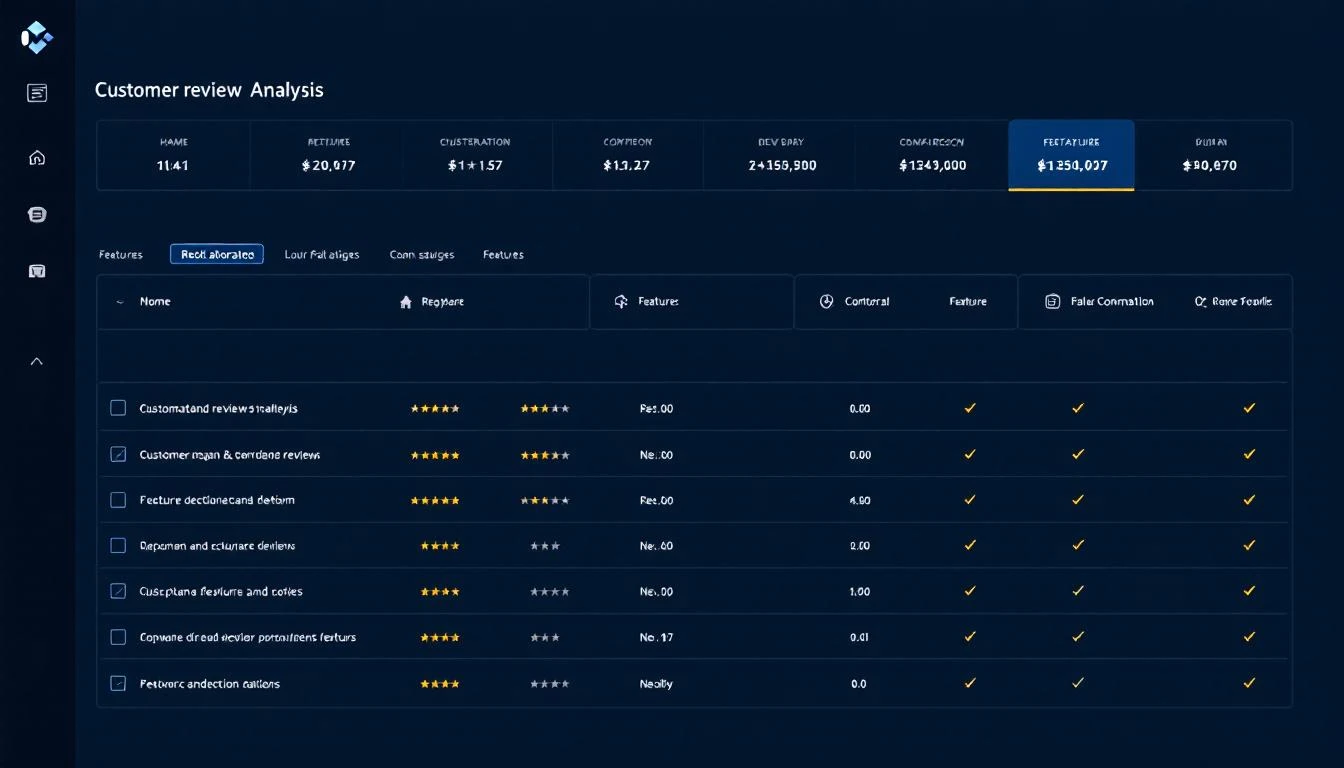
At its core, IoTFlows is a sensor-based machine health monitoring platform. The company manufactures proprietary hardware — SenseAi sensors — that attach to industrial equipment and monitor vibration patterns and acoustic signatures. That sensor data feeds into their cloud platform where AI models analyze machine health.
Key Features
SenseAi Hardware Line:
- SenseAi — Standard vibration and acoustic sensor for indoor industrial environments
- SenseAi Embedded (IP67) — Ruggedized sensor rated for moisture, dust, and harsh conditions
- BeamTracker — Laser-based tracking for specific motion and alignment monitoring
Software Platform:
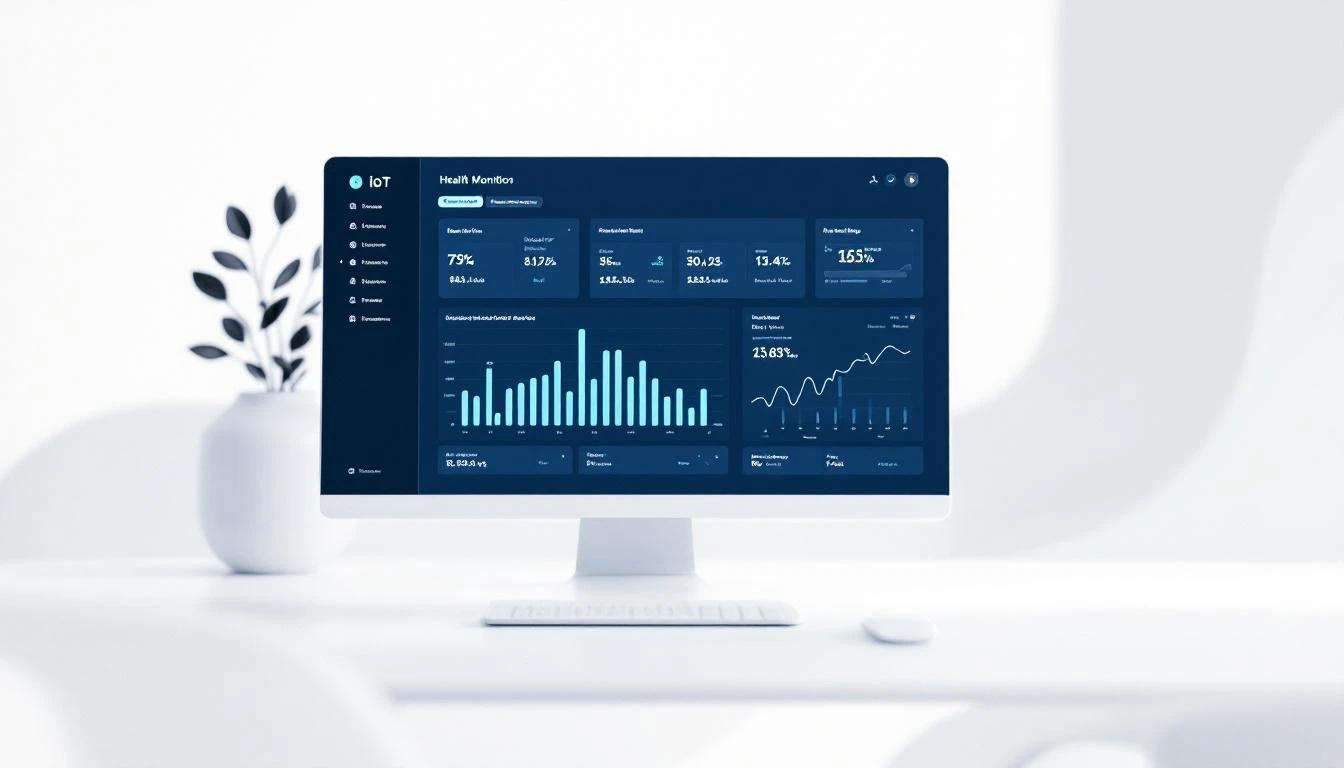
- Machine Health Scoring — AI-derived health metrics across seven dimensions: cavitation, looseness, imbalance, lubrication quality, alignment, bearing condition, and temperature
- OEE Monitoring — Availability, performance, and quality tracking at the machine level
- Downtime Root Cause Analysis — Categorize and analyze why machines stop producing
- AI Job Scheduling — Optimize production scheduling based on machine capability and availability
- Shift-Based Reporting — Production metrics broken down by shift for team accountability
IoTFlows claims 100+ industrial customers and an average 35% downtime reduction for deployed clients. They've raised venture funding through Y Combinator, which gives them credibility in the startup ecosystem, though VC backing doesn't automatically translate to manufacturing domain expertise.
The Strengths: Where IoTFlows Delivers
1. Vibration Analysis Depth
IoTFlows' seven-metric health scoring system is genuinely sophisticated. Monitoring cavitation, looseness, imbalance, lubrication, alignment, bearing condition, and temperature from a single sensor provides a comprehensive vibration signature. For plants whose primary concern is rotating equipment health (motors, pumps, compressors), this specialization has real value.
2. Purpose-Built AI Models
Rather than applying generic anomaly detection, IoTFlows has trained models specifically for industrial vibration and acoustic patterns. This domain-specific AI tends to produce fewer false positives than general-purpose platforms — a critical consideration when maintenance teams are already overworked and can't afford to chase phantom alerts.
3. Clean User Interface
Customer feedback generally praises IoTFlows' dashboard design. The health scoring visualization makes it easy for operators — not just engineers — to understand machine status at a glance. Green/yellow/red health indicators mapped to specific failure modes provide actionable context rather than abstract data points.
4. OEE Tracking Integration
Combining machine health monitoring with OEE tracking in a single platform means maintenance and production teams can see correlations between equipment degradation and productivity losses. This integration, when it works well, helps justify maintenance investments with production data.
The Weaknesses: Where IoTFlows Falls Short
1. Hardware Dependency Creates Deployment Friction
Every IoTFlows deployment starts with physical sensor installation. For a plant with 50+ machines, this means:
- Purchasing dozens to hundreds of sensors
- Scheduling installation windows (often during downtime)
- Running sensor connectivity (Wi-Fi or wired network access per sensor)
- Calibrating baseline readings for each machine
- Coordinating with IT for network security approvals
Compare this to platforms that connect to existing PLCs — where data collection begins minutes after plugging in an edge gateway. The deployment timeline difference can be weeks versus minutes.
2. Narrow Data Scope
SenseAi sensors capture vibration and acoustics. Period. They don't capture:
- Production cycle counts — How many parts is the machine actually making?
- Energy consumption — What's the power draw per machine?
- Material flow — How much raw material is each machine consuming?
- Process parameters — Temperatures, pressures, speeds from the PLC itself
- Alarm states — Machine fault codes from the controller
Your PLC already knows all of this. A sensor mounted on the outside of the machine doesn't.
3. No Materials or Inventory Management
Manufacturing intelligence isn't just about machine health — it's about the entire production system. IoTFlows has no capability for:
- Raw material tracking across machines and locations
- Inventory level monitoring (hopper levels, bin quantities)
- Material consumption reporting by job or shift
- Spare parts availability tracking
If a bearing is failing and IoTFlows alerts you, but you don't know if the replacement bearing is in your parts room, you've identified the problem without enabling the solution. Platforms with integrated spare parts tracking and preventive maintenance scheduling close this loop.
4. Limited Fleet Management
For manufacturers with multiple facilities or large single-site operations with distinct production zones, fleet-level visibility matters. IoTFlows' fleet management capabilities are limited compared to purpose-built fleet platforms that offer:
- Multi-location dashboards with drill-down
- Zone-based machine grouping and comparison
- Fleet-wide capacity utilization trending
- Cross-site failure pattern analysis
- Spare parts pooling across locations
5. Vendor Lock-In Through Proprietary Hardware
This deserves special attention. When you invest in IoTFlows' SenseAi sensors, you're buying hardware that only works with IoTFlows' platform. If you later decide to switch to a different monitoring solution — or if IoTFlows pivots, gets acquired, or shuts down — those sensors have zero residual value.
Protocol-native platforms that connect to standard PLCs via Ethernet/IP or Modbus avoid this entirely. Your PLCs and controllers are permanent infrastructure. An edge gateway can be replaced or repurposed without affecting your equipment.
6. IT Network Requirements
Unlike cellular-based IIoT platforms that bypass plant networks entirely, IoTFlows sensors need network connectivity to reach the cloud. This means:
- IT security reviews for each sensor on the network
- Firewall rules for cloud communication
- Network infrastructure in areas of the plant that may not have coverage
- Ongoing network management overhead
For plants where IT and OT convergence is a sensitive topic (most plants), adding hundreds of network-connected sensors is a significant ask.
Who Should Consider IoTFlows?
IoTFlows makes the most sense for a specific type of buyer:
- Primary concern is rotating equipment condition monitoring — pumps, motors, compressors, fans
- Limited PLC infrastructure — Older equipment without modern controllers
- Willing to invest in per-machine hardware — Budget available for sensor procurement and installation
- Vibration analysis is the priority — You don't need materials tracking, energy monitoring, or fleet management
- Small to medium deployments — The per-sensor cost model works better at smaller scale
Who Should Look Elsewhere?
If your needs include any of the following, IoTFlows likely isn't the right fit:
- Comprehensive factory intelligence — You want machine status, maintenance, materials, energy, and fleet management in one platform
- Rapid deployment — You need visibility this week, not in 6-8 weeks
- PLC-equipped machines — Your equipment already has controllers generating rich data
- Zero IT involvement — Your plant network is locked down and IT can't support hundreds of new devices
- Multi-site fleet management — You need cross-facility visibility with zone-based organization
- Spare parts and PM scheduling — You want monitoring tied to maintenance execution
The Protocol-Native Alternative
Platforms like MachineCDN represent a fundamentally different architectural approach. Instead of adding sensors on top of machines, MachineCDN connects directly to the PLCs that already control your equipment — reading every tag, alarm, and process variable the controller already tracks.
What this means in practice:
- 3-minute setup per device — Plug in an edge gateway, configure machine tags, start seeing data
- Zero IT involvement — Cellular connectivity means no plant network touch
- Complete production data — Cycle counts, energy, alarms, process parameters — everything the PLC knows
- Integrated maintenance — Preventive maintenance scheduling, spare parts tracking, and alert management in one platform
- Materials and inventory — Track raw materials, hopper levels, and consumption by machine
- Fleet management — Multi-location, multi-zone dashboards with performance comparison and failure analysis
- 5-week ROI — Not months of sensor deployment and calibration
The key insight: your PLCs are already the best sensors in your plant. They measure everything that matters with industrial-grade accuracy. Adding external sensors to duplicate what the controller already knows is architecturally backwards.
Final Verdict
IoTFlows is a legitimate vibration monitoring platform with real AI capabilities. If vibration-based condition monitoring of rotating equipment is your sole need, it deserves consideration.
But for manufacturers who need full-spectrum factory intelligence — and who already have PLC-equipped machinery — the sensor-overlay approach adds cost and complexity without adding data you don't already have access to.
The smarter approach is to unlock the data your PLCs are already collecting. Book a MachineCDN demo to see protocol-native monitoring with your actual equipment data.
Related reading: